Standard Chartered Bank: The RWA market will reach US$2 trillion in 2028, and most of the value will be concentrated in Ethereum
Standard Chartered Bank reports that the RWA market will hit US$2 trillion in 2028, and stablecoins, Ethereum and new US bills will jointly promote traditional assets to be put on the chain
(Preliminary: A 57-fold increase in three years? Standard Chartered: The RWA market size will look at US$2 trillion in 2028, and DeFi has shaken traditional finance)
(Background supplement: Standard Chartered: Bitcoin may "never" return to below US$100,000, supported by four major forces BTC)
Contents of this article
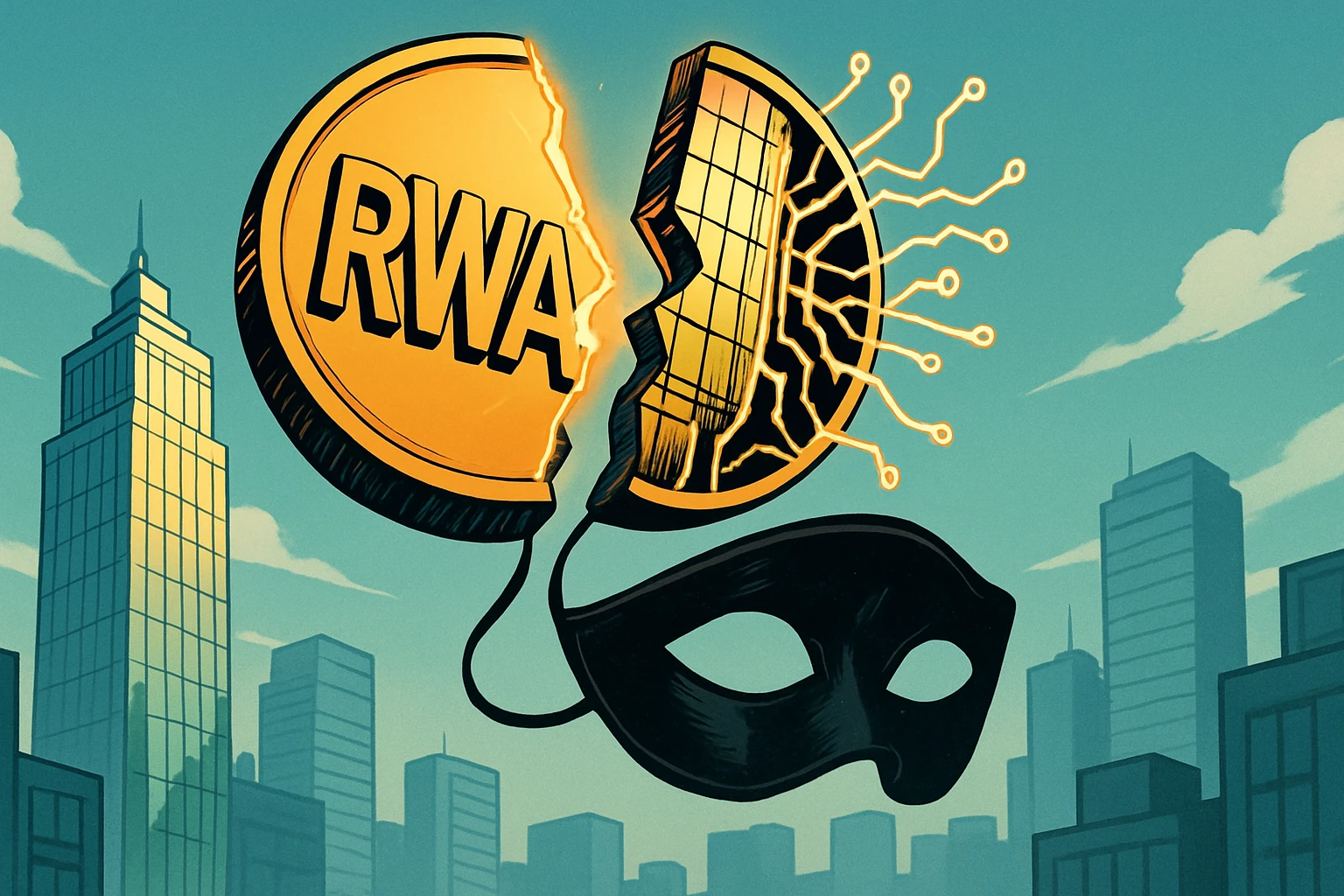
Wall Street has always been cautious, but the latest research from Standard Chartered Bank gives a rare radical prediction: the tokenization of real assets (RWA) market can exceed US$2 trillion by the end of 2028, which is 56 times larger than the current US$35 billion. As soon as the news came out, the investment circle immediately focused on the intersection of blockchain and traditional finance.
Centennial bank named "56-fold" growth
This report was released on October 30 by Geoffrey Kendrick, head of digital asset research at Standard Chartered Bank. He estimated that the popularity of stablecoins, mature on-chain infrastructure and regulatory frameworks in place will drive an explosive increase in the scale of RWA. Kendrick stated in the document:
“Stablecoins have laid the foundation for other asset classes (from money market funds to stocks) to be put on the chain on a large scale.”
In other words, the deeper the liquidity of US dollars on the chain, the easier it is for traditional assets to be segmented, linked and traded around the world 24 hours a day, and capital efficiency and transparency are simultaneously improved.
Stablecoins pave the way and the concept of RWA accelerates fermentation
The report regards stablecoins as the "first domino". From cross-border remittances to decentralized lending, stablecoins have cultivated user habits and paved the way for blockchain-based settlement processes. As liquidity expands, a self-reinforcing cycle is forming: money pours in → creates new financial products → attracts further capital. Standard Chartered estimates that in the future US$2 trillion market, tokenized money market funds and listed stocks can each account for US$750 billion, with the rest scattered among relatively illiquid targets such as funds, private equity and real estate.
The Ethereum network gets the biggest stage
Kendrick emphasized that there is a "high probability" that most RWA activities will still occur on Ethereum. Even though other public chains are faster and cheaper, its ten-year operating record without major interruptions and its large developer community make Ethereum the most trusted option when dealing with high-value assets. At present, the total amount of Ethereum locked in decentralized finance (DeFi) accounts for about half of the market, and the network effect has been deeply rooted in the hearts of the people. According to Nasdaq reports, platform stability is the first factor that institutional funds consider when selecting a chain.
Policies also affect growth. The "GENIUS Act" passed by the United States in July defines the qualifications for stablecoin issuance, and the market expects that the next phase of the "Digital Asset Market Clarity Act" (Clarity Act) is expected to be finalized before the end of 2025. Kendrick pointed out that if relevant legislation is delayed, the United States may miss the opportunity to lead global assets on the blockchain. On the other hand, if emerging markets adopt U.S. dollar-linked stablecoins on a large scale, local central banks may face pressure from “digital dollarization” and reduce the flexibility of monetary policy.
To summarize, Standard Chartered Bank’s eye-catching estimate of US$2 trillion is not simply chasing the craze, but is based on the overlapping forces of stablecoins, Ethereum ecology and regulatory progress. Although there are still variables in supervision, the migration of traditional assets to blockchain has begun. Investors, entrepreneurs, and policymakers must evaluate risks and opportunities as more efficient, transparent, and globalized capital markets are accelerating.