Buterin warns that Bitcoin will be cracked in 2028: Before the US election, Ethereum needs to upgrade its quantum defense within four years
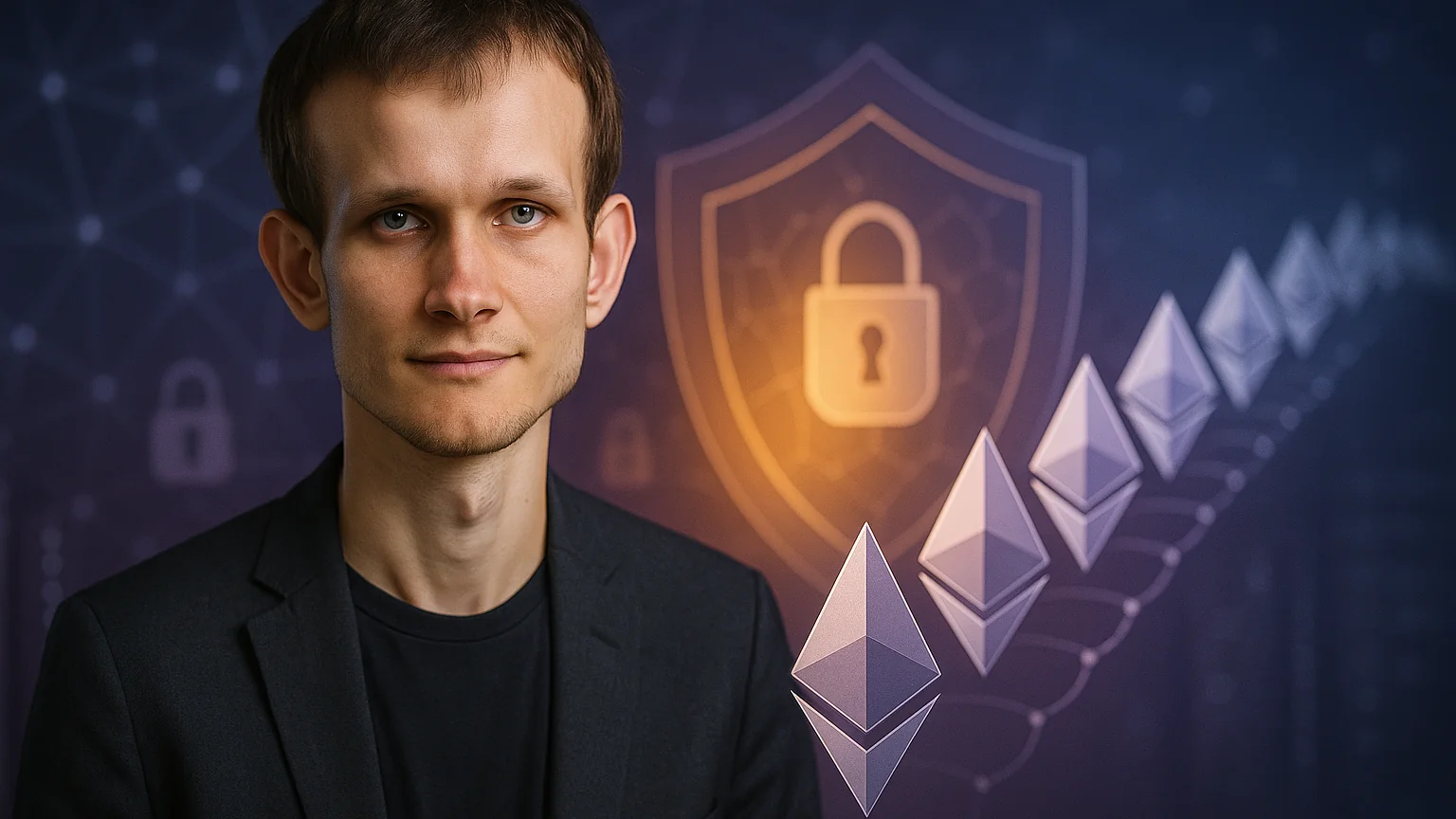
Vitalik Buterin predicted at the Devconnect Developers Conference held in Argentina in November that Bitcoin will be cracked in 2028, possibly before the next US presidential election, and called on the community to participate in Ethereum’s quantum defense upgrade
(Preliminary summary: Raoul Pal warned: If the Fed does not print money QE, "liquidity will be scarce", or the 2018 repo market financial crisis will be repeated)
(Background supplement: The United States will announce next week The September non-agricultural report, the market is closely focused on the impact of the Federal Reserve (Fed) interest rate cut)
Contents of this article
Ethereum co-founder Vitalik Buterin dropped a shock bomb to the developers at the Devconnect developer conference in Argentina in November: Quantum computers may crack elliptic curve cryptography before 2028 (ECC), the traditional "mathematical trust" system will be completely ineffective, leaving only four years of buffer period for the blockchain community.
Quantum encryption day is approaching early
According to the latest estimate of the Quantum Doomsday Clock, quantum hardware will be able to instantly derive private keys with the Shor algorithm as early as March 8, 2028. Vitalik pointed out that Google and IBM are making progress in the number and stability of quantum bits (qubits) faster than Moore's Law. In other words, the few minutes between transaction broadcast and on-chain confirmation will become the "golden moment of hijacking." He warned bluntly: "If you think your assets are safe, it is best to provide evidence within four years."
The current blockchain security is based on the calculation assumption that "the public key cannot be used to infer the private key." Once quantum computing power crosses the critical point, this assumption no longer exists, and wallets are like glass display cabinets, and no matter how complicated the verification steps are, they are just a formality.
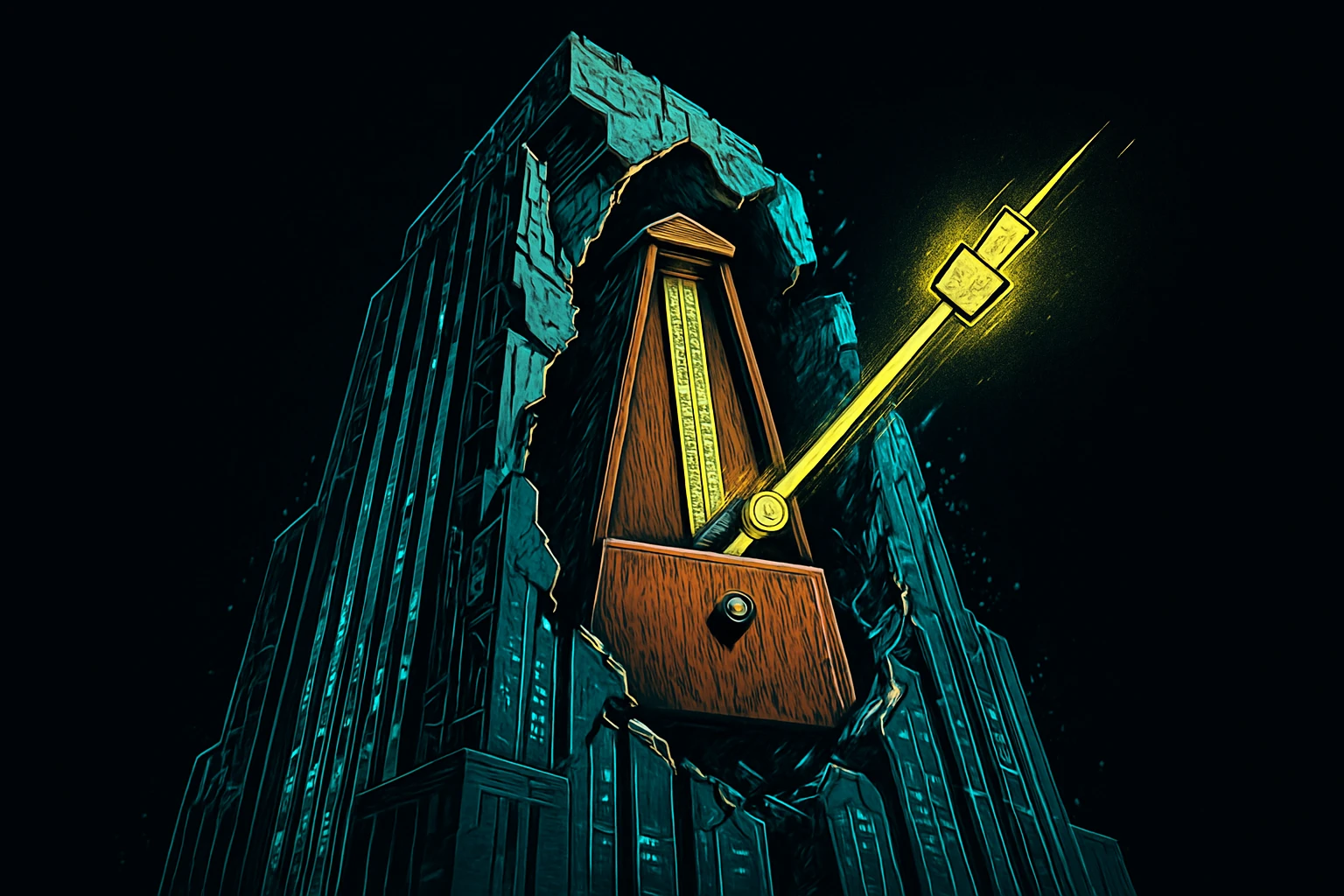
In the face of the crisis, Bitcoin and Ethereum have different paths. The Bitcoin architecture is close to stone sculpture, and changing the core protocol requires consensus and time. Vitalik moved the line of defense forward to the account layer, emphasizing the value of EIP-4337 account abstraction: users do not need to hard fork, just change the wallet signature algorithm to a quantum-resistant solution (such as Dilithium) to complete the upgrade. This "core freezing, edge flexible" strategy keeps the first layer stable, but gives users the ability to quickly replace the lock cylinder.
Vitalik called on the stage:
"We cannot wait until the attack occurs to patch the loopholes. We must open the upgrade channel now and complete the migration in four years."
Stealth attacks have already started
Security researchers warned that the "collect first, decrypt later" operation has already begun. Hackers continue to collect encrypted traffic on the chain and encrypt the archives, waiting for the quantum hardware to mature and unlock it. This means that today’s communications may be open and transparent tomorrow. A large amount of Bitcoin and Ethereum stored in old addresses of early P2PKH are also exposed to risks, because those addresses directly reveal the public key, which is equivalent to preparing coordinates for attackers.
If the holder does not move the assets to a new wallet using post-quantum cryptography (PQC) before 2028, the private key may be calculated within milliseconds, and the funds will be transferred instantly and cannot be recovered.
The four-year coordination period will test the entire ecosystem
The National Institute of Standards and Technology (NIST) has selected a variety of post-quantum encryption standards, but replacing decentralized finance (DeFi) with tens of thousands of protocols one by one is as difficult as changing an engine in flight. Time pressure also overlaps with the political timeline: the 2028 U.S. election will drive up geopolitical and policy uncertainty, and any cryptographic vulnerability could become a breach for regulation or attack.
The return of the Trump administration to the White House a year ago has caused the market to experience policy shocks. If the quantum threat breaks out on the same timeline, the trust chain of encrypted assets may be tested by both technology and politics. Vitalik’s message is not just for developers, but also for all currency holders and financial institutions: compared with price fluctuations, quantum risks are a greater “black swan”.
With less than four years to go until 2028, the blockchain world has entered a post-quantum upgrade period. Whether coordination can be completed and the implementation of standards can be accelerated will determine who can leave a security line in the next decade and who will be written as a footnote in history.